
Enerlice offers its expertise to insurers and operators facing malfunctioning wind turbine installations. The company provides diagnostics, repairs, preventive and corrective maintenance, as well as the safe restart of individual machines or entire wind farms.


Service and maintenance
Enerlice operates throughout France , providing maintenance and technical support for its own wind turbine installations , as well as for numerous wind farms built by companies that have since gone out of business . Drawing on extensive experience with a wide range of wind turbine brands and technologies , Enerlice guarantees reliable diagnostics , efficient commissioning , and preventative maintenance aimed at optimizing renewable energy production .
Wind turbine maintenance: ensuring the performance and availability of installations
Wind turbine maintenance plays a central role in the proper functioning of renewable energy production facilities. A wind turbine is a complex industrial system, composed of mechanical, electrical, and hydraulic components subjected to constant stress. Without rigorous maintenance planning, the performance of a wind farm deteriorates rapidly, leading to decreased production, increased downtime, and high operating costs. In the wind energy industry, maintenance is not limited to repairs after a breakdown. It is part of a comprehensive approach aimed at guaranteeing machine availability, the safety of personnel, and the longevity of the equipment. A well-structured maintenance strategy makes it possible to anticipate failures, optimize electricity production, and extend the lifespan of installations, whether it’s a single wind turbine or an entire wind farm.
Why maintenance is a major issue for wind power
Wind turbines operate in demanding environments . They are constantly exposed to wind, climatic variations, humidity, and sometimes extreme conditions, particularly in coastal and saline environments and in mountainous regions. These constraints generate significant stress on each component: blades, bearings, generator, hydraulic systems, and electrical equipment.
Without proper maintenance, natural wear accelerates. A minor defect can quickly escalate into a major failure if no action is taken. Maintenance allows for the early detection of anomalies, the planning of interventions, and the minimization of uncontrolled downtime. It also plays a crucial role in ensuring compliance with safety regulations and the specific requirements of the renewable energy sector.
Wind turbine maintenance organization
Wind turbine maintenance relies on a structured organization, adapted to the installed technologies and operating conditions. It is based on several levels of intervention, making it possible to cover the entire life cycle of the equipment.
Preventive maintenance
Preventive maintenance forms the basis of any effective strategy. It encompasses all planned operations aimed at preventing breakdowns and maintaining machine performance. These interventions are carried out according to the manufacturer’s recommendations and operational data. Preventive maintenance operations include, in particular:
- visual inspection of the structures, mast and blades,
- the control of mechanical steering and braking systems,
- the verification of mechanical and hydraulic circuits,
- the analysis of oils and greases to detect bearing wear,
- the control of operating parameters,
- the verification of electrical equipment, both energized and de-energized.
- the testing of security devices.
This approach helps to reduce the risk of failure, improve the reliability of installations and stabilize the production of electrical energy.
Corrective maintenance
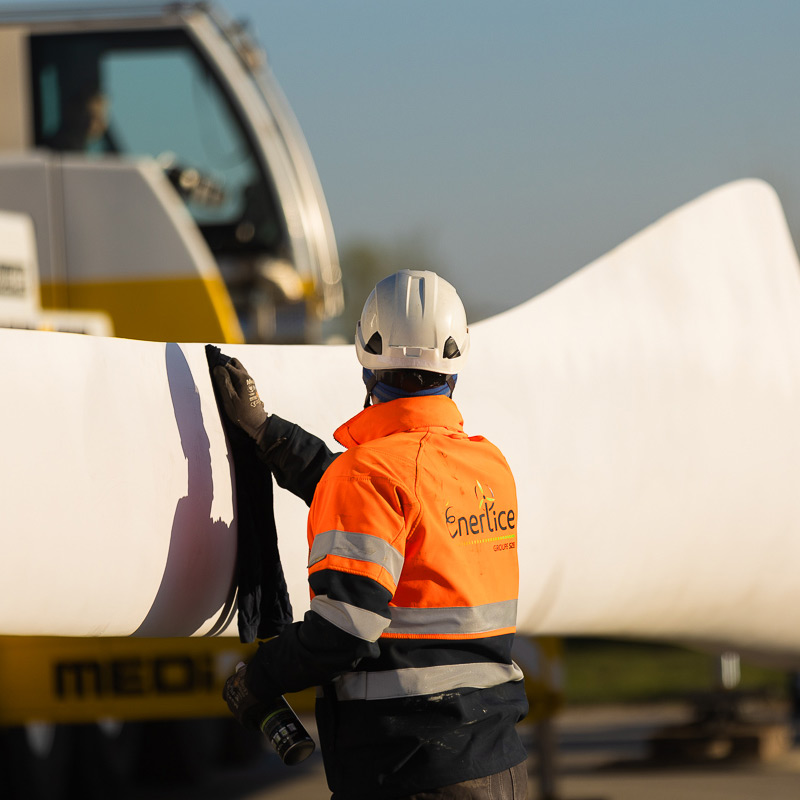
Despite rigorous monitoring, a breakdown can occur. Corrective maintenance then intervenes to restore the wind turbine’s operation as quickly as possible. It addresses both mechanical failures and problems related to electrical or hydraulic systems.
Corrective maintenance includes the repair or replacement of defective components. Rapid intervention limits production losses and prevents further damage. This phase requires a high level of responsiveness and advanced technical expertise to ensure a safe return to service.
The role of the wind turbine maintenance technician
The wind turbine maintenance technician plays a key role in ensuring the smooth operation of the installations. This profession demands significant technical versatility and a thorough understanding of safety procedures. The technician works on complex systems combining mechanical, hydraulic, and electrical engineering components. Those with a technical background possess a solid foundation for this career. The technician typically works alone or in a maintenance team of two, supervised by a project manager responsible for coordinating interventions, organizing schedules, and guaranteeing the quality of operations performed on-site.
Safety and working at height
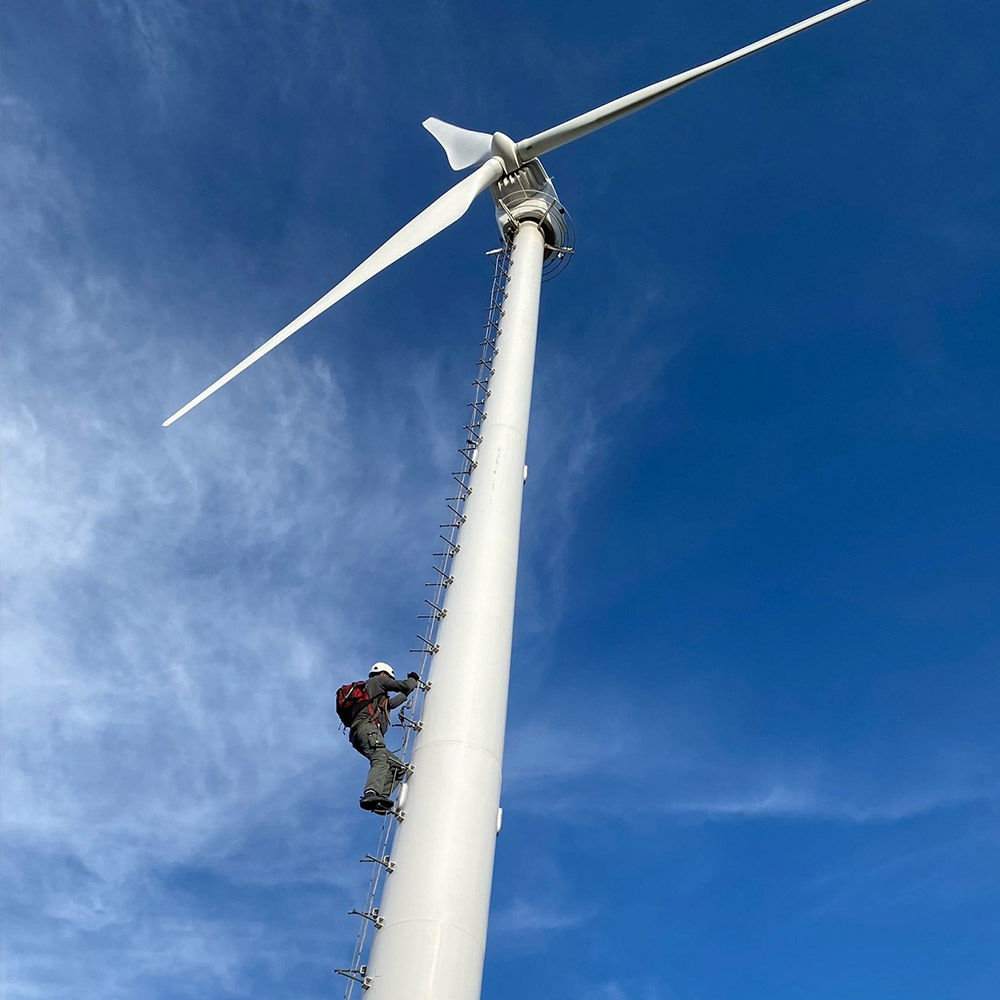
Wind turbine maintenance frequently involves working at heights, sometimes several tens of meters above the ground. Safety is therefore a top priority. Every intervention is carried out in strict compliance with safety regulations and internal procedures. Technicians have the necessary training and certifications, including electrical qualifications, training in working at heights, and training in operating machinery and aerial work platforms. Adherence to safety rules protects personnel and ensures that operations comply with current regulations.
Technical skills used
Mechanical
Mechanical operations include the shaft line, slewing systems, braking devices, and bearings. An untreated mechanical failure can lead to prolonged downtime of the wind turbine and significant costs.
Electrotechnics
Maintaining electrical equipment and the generator requires expertise in electrotechnics. Technicians work on electrical cabinets, conversion systems, and control devices to ensure a stable production of electrical energy.
Hydraulic
The hydraulic circuits control the braking and safety systems. Their maintenance ensures the controlled shutdown of the wind turbine in the event of adverse weather conditions or malfunction.
Retrofitting and technological developments
The wind energy sector is evolving rapidly. New technologies are improving the performance of existing installations. Retrofitting and upgrading operations aim to adapt machines to current standards, improve system reliability, and extend equipment lifespan.
These improvements may include the integration of additional sensors, enhancements to monitoring systems, or upgrades to certain critical components. They allow for optimized production without requiring a complete machine replacement.
Parts management and logistics
The availability of spare parts is a critical factor in wind turbine maintenance. An efficient logistics organization reduces response times and minimizes downtime. Rapid component delivery and coordination with our European suppliers play a key role in ensuring the continued operation of wind farms.
Maintenance in challenging environments and with complex logistics
Wind turbine maintenance requirements vary considerably depending on the environment in which the turbines are located. While some sites benefit from relatively easy access, many installations are situated in complex areas, requiring specific organization and enhanced logistics. This is particularly true for turbines located in isolated areas, at high altitudes, in mountainous regions, on extensive agricultural sites, or in areas subject to harsh climatic conditions.
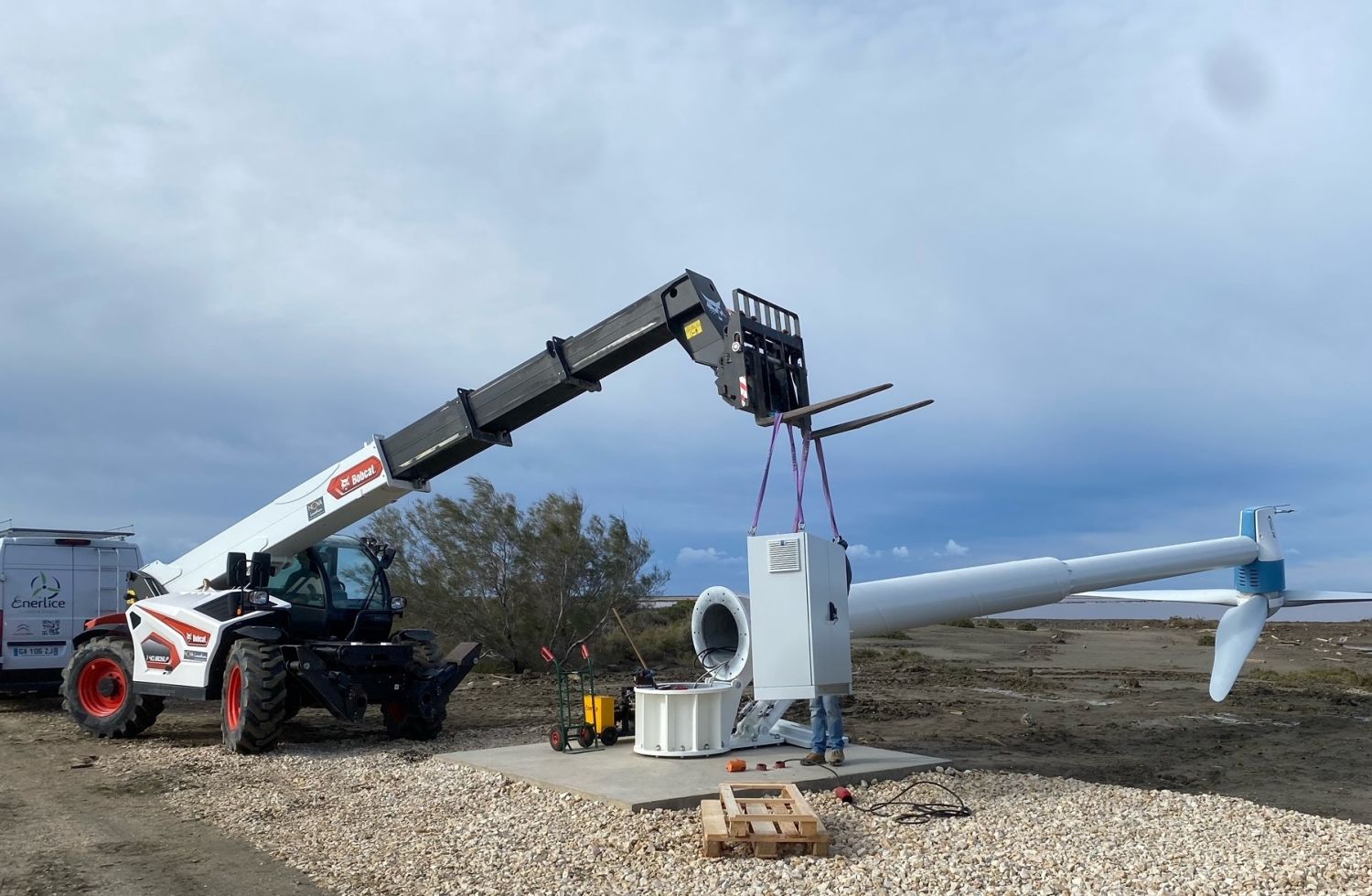
Maintenance in challenging environments requires rigorous preparation for interventions. Access to wind turbines may necessitate specialized lifting equipment, specific machinery, or precise planning of travel and supplies. Weather conditions, the state of access roads, and the remoteness of infrastructure demand strong foresight and seamless team coordination.
Enerlice leverages its recognized expertise in logistics-intensive operations. Teams are trained to work in demanding environments and know how to adapt their methods to the realities on the ground. This expertise ensures operational continuity, minimizes downtime, and guarantees the safety of personnel, even in the most complex situations.
Thanks to rigorous organization and appropriate technical means, Enerlice is able to intervene effectively on installations located in constrained environments, while maintaining a high level of reliability and performance of the wind turbines.
Enerlice’s positioning
Enerlice positions itself as a specialist in wind turbine maintenance, capable of working on different technologies and configurations. This approach allows them to tailor their interventions to the specific needs of each installation and ensure personalized support.

Conclusion: Maintenance as a lever for performance
Wind turbine maintenance is a strategic investment for the performance and sustainability of installations. It determines the availability of the machines, the safety of the teams, and the profitability of the projects. A well-maintained wind turbine produces more energy for longer, with a controlled level of risk.
By structuring maintenance around rigorous procedures, solid technical skills and an appropriate organization, it is possible to sustainably optimize renewable energy production and secure investments in wind power.